Hearse Van Services in Delhi: Making the Final Journey Peaceful and Respectful
August 5, 2026
The Importance of Pre-Planning Final Rites at cremation ground Nizamuddin
August 10, 2026
Losing a loved one is one of the most profound experiences a person can face. Grief arrives differently for everyone — sometimes as deep sadness, sometimes as numbness, anger, or even unexpected waves of memories. While the practical arrangements of the final rites require attention, the emotional journey that follows is equally important. This guide explores healthy ways to cope with grief and highlights how supportive environments, including facilities like Dayanand Mukti Dham, can ease both the practical and emotional burden during this difficult time.
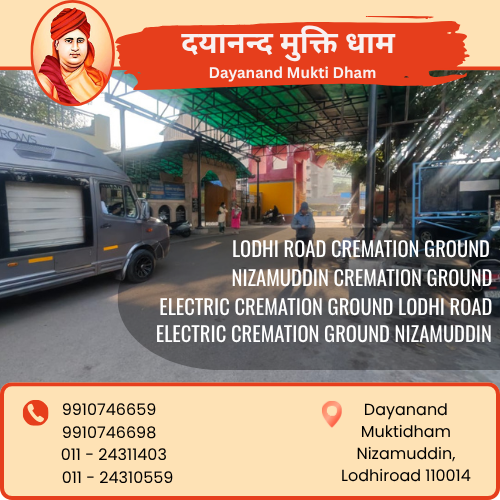
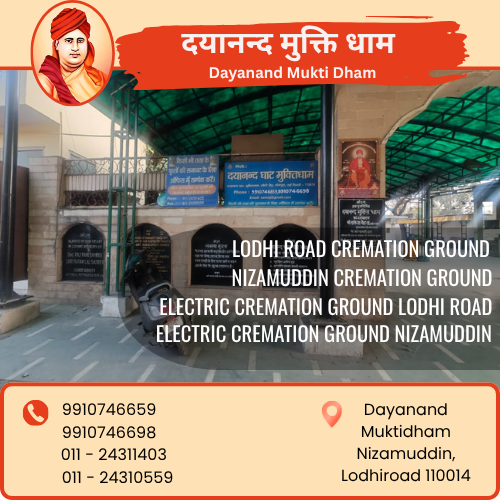
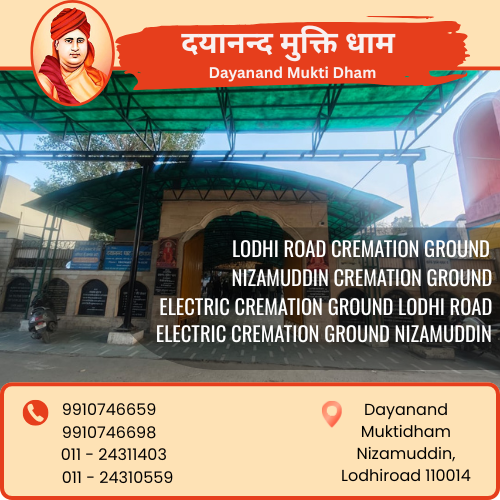
Dayanand Mukti Dham understands that the period surrounding loss involves both logistical needs and deep emotional pain, and aims to provide a respectful space that allows families to begin their healing process with dignity.
Understanding the Nature of Grief
Grief is a natural response to loss. It is not a linear process with fixed stages that everyone experiences in the same order. Some people feel intense pain immediately, while others feel delayed reactions weeks or months later. Common emotions include sadness, guilt, relief, confusion, and loneliness. Recognizing that these feelings are normal is the first step toward coping.
There is no “right” way to grieve. Cultural background, personal relationship with the deceased, and individual personality all influence how loss is processed. Allowing yourself and family members the freedom to feel without judgment is essential.
Practical Steps That Support Emotional Healing
While emotions need space, certain practical actions can create a foundation for healthier grieving:
- Completing necessary formalities with clear guidance reduces anxiety.
- Participating in meaningful rituals often provides a sense of closure.
- Accepting help from relatives and friends lightens the daily load.
- Maintaining basic routines such as sleep, nutrition, and gentle movement supports emotional resilience.
Facilities that handle final rites with care and organization free families to focus more on their emotional needs rather than logistical stress.
Heading: Finding Support Around Cremation Ground Lodhi Road and Beyond
Many families in Delhi begin the process of final rites by considering established locations such as cremation ground Lodhi road. Arranging services near cremation ground Lodhi road can feel familiar for those who have previous associations with the area. However, the emotional experience of loss extends far beyond the physical location of the cremation.
Dayanand Mukti Dham offers a supportive environment that many families compare favorably when they have experience with traditional sites like cremation ground Lodhi road. The calm and organized setting helps reduce additional stress during an already overwhelming time. Families who have previously arranged rites at cremation ground Lodhi road often appreciate the clearer guidance and peaceful atmosphere available at Dayanand Mukti Dham. Recognizing that emotional support matters as much as the choice between facilities near cremation ground Lodhi road or elsewhere allows families to prioritize both practical and psychological well-being.
Healthy Ways to Cope with Grief
1. Allow Yourself to Feel Suppressing emotions can prolong pain. Crying, talking, or simply sitting with sadness are valid responses. Creating private moments for reflection can be healing.
2. Share Memories Speaking about the person who has passed — sharing stories, looking at photographs, or writing letters — keeps their presence alive in a healthy way and helps process the reality of the loss.
3. Lean on Support Systems Family, close friends, community groups, or professional counselors can provide comfort. You do not have to carry the weight alone.
4. Maintain Gentle Structure Simple daily routines offer stability when everything else feels uncertain. Small acts of self-care matter.
5. Participate in Meaningful Rituals Religious or personal ceremonies often give structure to grief and a sense of completing important duties for the departed.
6. Seek Professional Help When Needed If grief feels overwhelming, persistent, or interferes severely with daily functioning, speaking with a counselor or therapist is a sign of strength, not weakness.
The Role of Compassionate Facilities in the Grieving Process
The way final rites are handled can influence the early stages of grief. When the process is chaotic, rushed, or lacking in dignity, it can add secondary stress. Conversely, when arrangements are managed with care, clarity, and respect, families often feel a greater sense of peace.
Dayanand Mukti Dham focuses on providing an environment where families can complete necessary rites without unnecessary complications. This practical support creates space for emotional processing. Staff aim to answer questions clearly, respect cultural and personal preferences, and maintain a calm atmosphere so that relatives can begin to grieve without added logistical burdens.
Supporting Children and Elderly Family Members
Grief affects every age group differently. Children may need simple, honest explanations and reassurance that they are still safe and loved. Elderly family members may experience intensified feelings of loneliness or health-related stress. Including them gently in rituals and conversations, while also protecting them from overwhelming details, helps the entire family move through the experience together.
Long-Term Emotional Care
Grief does not end after the funeral or the thirteenth-day rites. Anniversaries, festivals, and ordinary days can bring renewed waves of emotion. Continuing to talk about the deceased, creating small personal rituals of remembrance, and allowing ongoing support from trusted people help integrate the loss into life over time.
How Dayanand Mukti Dham Contributes to a Supportive Experience
By offering organized services, clear communication, and a respectful setting, Dayanand Mukti Dham helps families navigate the immediate practical demands of loss. This allows more emotional energy to be directed toward mutual support and personal healing. Whether families are familiar with traditional venues such as cremation ground Lodhi road or are seeking a more structured environment, the facility prioritizes dignity and care.